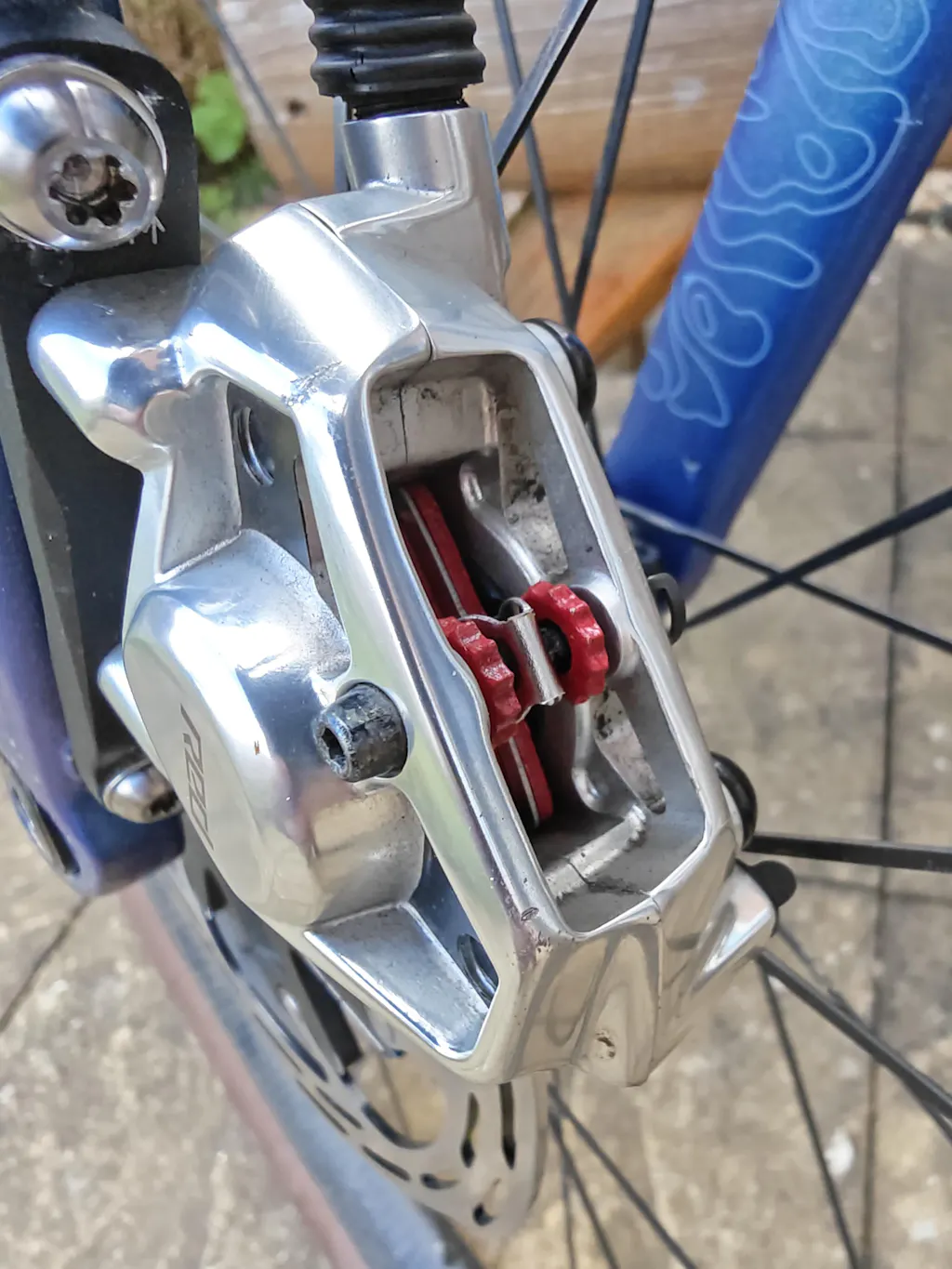
Disc Brake Pads Guide: Types, Compounds & How to Choose the Right Pads
Share
What Are Disc Brake Pads and How Do They Work?
Disc brake pads create friction against the brake rotor to slow or stop your bike. When you pull the brake lever, hydraulic pressure pushes the pads against the rotor, converting speed into heat and controlled stopping power.
Each pad consists of a friction compound bonded to a metal backing plate. Over time, this friction material wears down and must be replaced to maintain safe braking performance.
When Should You Replace Brake Pads?
Replace pads when friction material reaches around 1mm or less, or if you notice:
- Reduced braking power
- Excessive noise or squealing
- Visible wear or uneven pad surface
Regular inspections prevent rotor damage and keep braking consistent.
Brake Pad Types Explained
Resin (Organic)
Made from organic fibres and resins, these pads prioritise smooth modulation and quieter braking.
Best for:- Dry conditions
- Road and XC riding
- Riders prioritising quiet braking
Sintered (Metallic)
Constructed from metallic particles fused under pressure, designed for durability and wet performance.
Best for:- Wet, muddy or winter riding
- Long descents
- e-bikes and heavier riders
Semi-Metallic
A balanced compound blending metallic durability with organic feel.
Best for:- Mixed conditions
- Trail and all-round riding
- Balanced performance and longevity
Looking for Higher Performance?
Maximum heat control and consistency for racing, downhill and e-MTB.
Factory Racing RangeEnhanced modulation, refined feel and controlled braking under load.
Brake Pad Compatibility
We manufacture pads for all major brake systems. Choose your caliper brand below:
Still unsure which compound to choose?
Use our comparison chart to match performance level to your riding style.
Compare All Compounds